




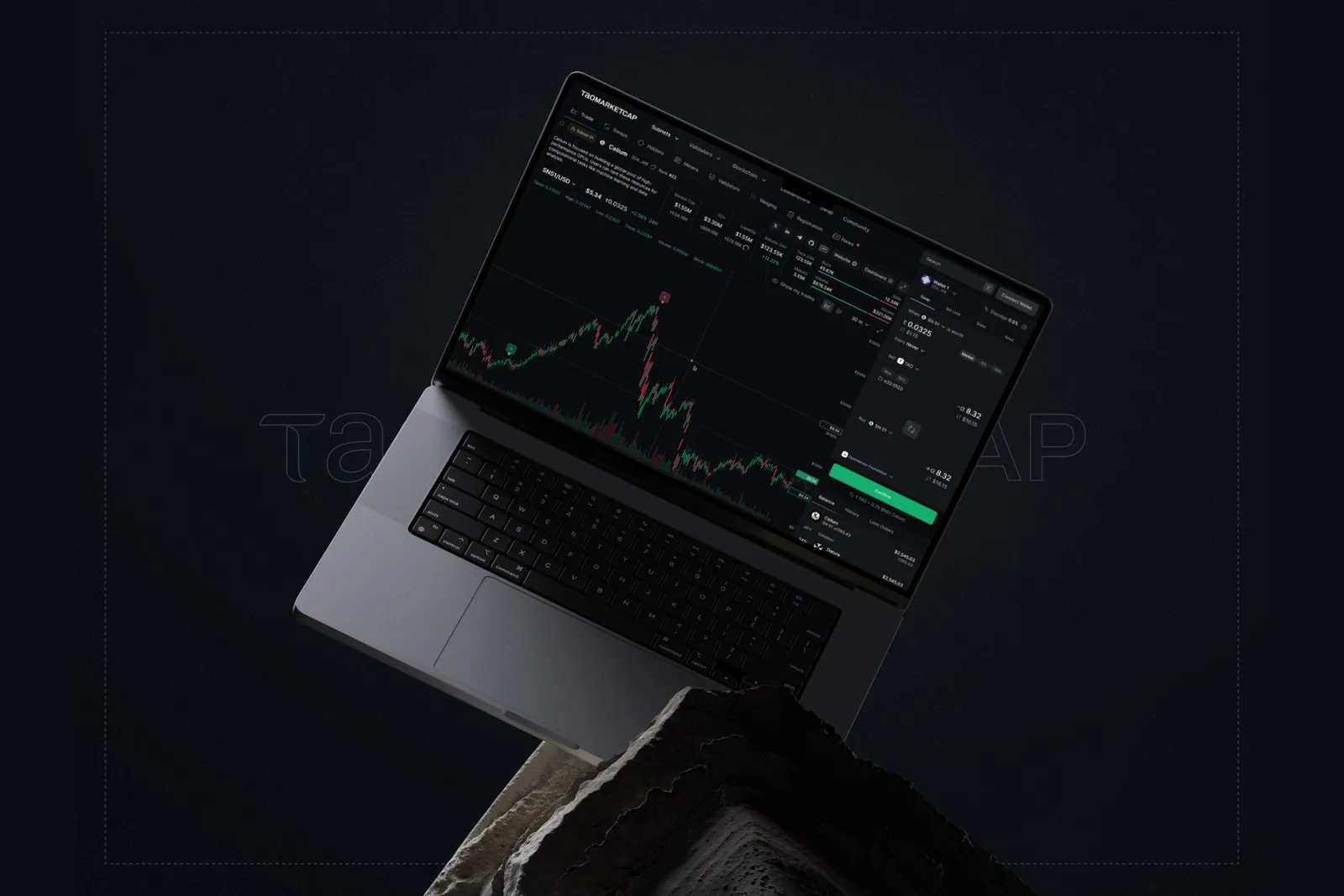
Dashboard design
Design clear, trustworthy interfaces for data-heavy SaaS, AI, fintech, healthtech, and operational products.
Start a projectOperator console
Supervising 6 live agents
Active agents
6
2 awaiting review
Avg response
142ms
Within target
Approvals
38
Today · 4 escalated
Throughput · last 24h
1,204 eventshover to inspect
Needs review
Refund agent
Low confidence · 0:32 agoOnboarding bot
Escalated by user · 1:10 agoBilling triage
Policy edge case · 2:48 ago
What you get
- Operator console IA — activity, reasoning, intervention points
- Approval + escalation flows for human-in-the-loop steps
- Confidence, citation and audit-trail display patterns
- Component set built at real table / feed density
- Key states designed — running, waiting, failed, needs-review
- Clear presentation of the metrics your team provides
How it runs
- 1
Map the system
What runs on its own, what needs sign-off, and who watches it.
- 2
Draw the control line
Decide what an operator must read before they can act.
- 3
High-fidelity screens
Real data, real edge cases, real failure states — not lorem.
- 4
Spec + handoff
Tokens, states and rules mapped cleanly to code.
Common questions
- What makes dashboard design different from normal UI work?
- The screen has to be read and acted on, often under time pressure. That means designing the states most interfaces skip: running, waiting, failed, and needs-review, at real data density rather than with placeholder rows.
- Which products is this for?
- Data-heavy SaaS, AI, fintech, healthtech, and operational products. Teams shipping something users have to read, trust, and act on.
- How long does a dashboard project take?
- Two to five weeks depending on scope. Most design projects land in the two to six week range, and you get an exact timeline before we start.